More results...
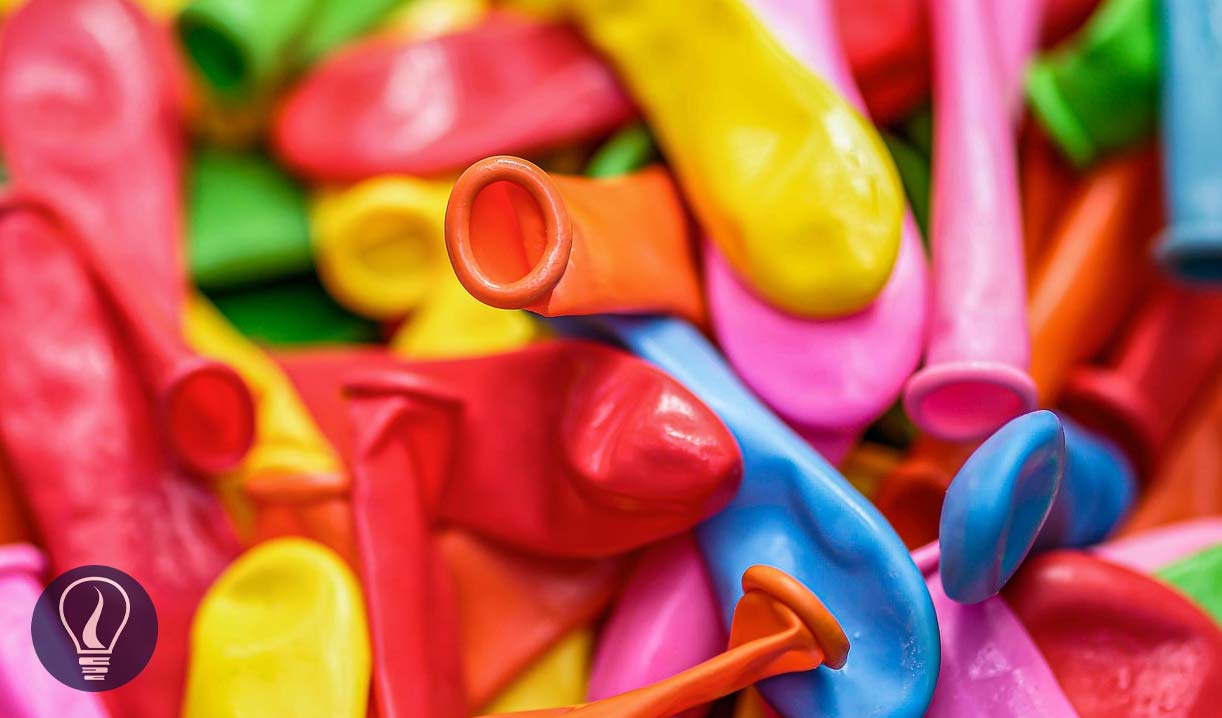

The beading process in straight-dipped latex products refers to the step where the top edge of the dried latex film is rolled or thickened to form a reinforced rim. This rim, known as the bead, is created by mechanically rolling or folding the edge of the film around the opening of the product, such as in gloves, balloons, or condoms.
The main purpose of the beading process is to strengthen the edge of the product and prevent tearing during use. It also provides greater elasticity and makes it easier to don or handle the product, especially in gloves. In addition, beading improves the fit, appearance, and grip of the final item.
In the case of straight-dipped latex products, beading is typically performed after the drying stage, once the latex film has developed sufficient strength to hold its shape. By forming a bead at this stage, manufacturers ensure that the product’s opening is both durable and comfortable, enhancing overall performance and user experience.
For example, in a glove, a beaded cuff prevents tearing during wear and helps secure the glove in place. Beading is a critical part of the production process. Also, some defects can occur in the beading process. Proper control of beading ensures uniformity and functionality in the final product.
In low-volume production processes, the beading process can be performed by hand. But in a scale production process, beading is carried out by rotating brushes or rollers, or both.
Rolling brushes or rollers are set at a slight angle to the axis of the former. Sometimes, flexible rubber flaps are mounted on the rolling cylinder. The edge of the latex film can easily be rolled by a brush. Therefore, in the first stage of beading, brushes are used. Generally, for different types of latex products, different types of brushes are used. Therefore, for each production plant, the diameter, bristle length, bristle stiffness, and bristle material should be optimized.
Formers come for the beading process just after the pre-bead drying. Therefore, the very first brushes are exposed to high heat. Due to this heat, the brushes that at the start will wear faster than others. Therefore, these brushes have to be replaced occasionally. In a chain plant, it is common practice to construct the brushes as segments. So, it could replace only the worn part without having to replace the whole brush.
For the beading process, it is important that the latex film is in the correct condition. It should not be too dry or too wet. If the latex film is too dry, it is difficult for the beading brush or the roller to pick up the edge of the rubber film immediately. Even if it is picked up, it would be uneven, giving rise to a lump.
Excessive drying can usually occur at multiple dipping processes. In a three-dip process, the first dip layer may be too dry by the time the former comes for the beading. Therefore, as mentioned earlier, the first dip is done slightly longer than the subsequent dips. Thus, a thinner latex film is obtained at the top of the article. A thinner latex film can be easily beaded.
On the other hand, if the film is too wet, it does not have sufficient strength to withstand the stresses involved in beading. Furthermore, any water trapped in the bead may cause the bead to blister. In the heating process, these blisters would blow. For successful beading, the rubber film should have a sufficient tack to adhere to itself. Therefore, some synthetic lattices, such as the medium and high acrylonitrile (ACN) grades of NBR, cannot be beaded.

Hill, D. M. Latex dipping: Science and Technology; Walter de Gruyter GmbH & Co KG, 2019.
The cover image was created using an image by Willfried Wende from Pixabay